For people who want to keep track of their heart health and blood pressure without frequent trips to medical facilities, wearable technology is opening new ways to monitor important health indicators from their wrists.
Huawei is exploring how its smartwatches, including the HUAWEI WATCH GT 7 Pro and WATCH D3, can support cardiovascular monitoring and help users become more aware of potential health risks.
The company highlighted research involving its wearable devices at two international medical conferences, the 19th Asia Pacific Heart Rhythm Society (APHRS) Scientific Session in South Korea and the 31st International Society of Hypertension Scientific Meeting and 17th Emirates Cardiac Society Annual Conference (ISH-ECS) in Dubai.
The developments focus on making heart health and blood pressure monitoring more convenient, particularly for individuals who need to regularly track their cardiovascular health.
Smartwatches support heart health research
At APHRS 2026, research involving Huawei wearable devices was cited in the 2026 Asia Pacific Atrial Fibrillation Guidelines, highlighting the growing interest in using consumer wearable technology to support cardiovascular research.
The study examined possible links between sleep apnea, arrhythmia, blood pressure, and cardiovascular events using data collected through Huawei devices.
The research also demonstrates how information gathered from wearable technology could help researchers better understand cardiovascular conditions and explore opportunities for earlier identification of potential health concerns.
Meanwhile, at ISH-ECS 2026, Huawei presented its Minimally Disruptive Ambulatory Blood Pressure Monitoring (ABPM) research initiative, developed in partnership with Ruijin Hospital.
The initiative explores combining continuous photoplethysmography (PPG) monitoring with airbag-based blood pressure measurements to reduce reliance on conventional cuff-based readings.
The approach aims to make long-term blood pressure monitoring more comfortable and less disruptive to everyday activities.
“Innovations like Minimally Disruptive ABPM and environmental monitoring reminders by HUAWEI Watch D3 may be inspiring for shaping a new direction on how future blood pressure management is automated and seamlessly embedded into daily life, via wearable devices,” said Professor Wang Jiguang, President of the Chinese Hypertension Association.
Huawei also highlighted its collaboration with the International Society of Hypertension through the newly established Wearable Blood Pressure Technology Innovation Fund.
Health monitoring from the wrist
Beyond research, Huawei is bringing cardiovascular monitoring features to consumer devices through the HUAWEI WATCH D3 and WATCH GT 7 Pro.
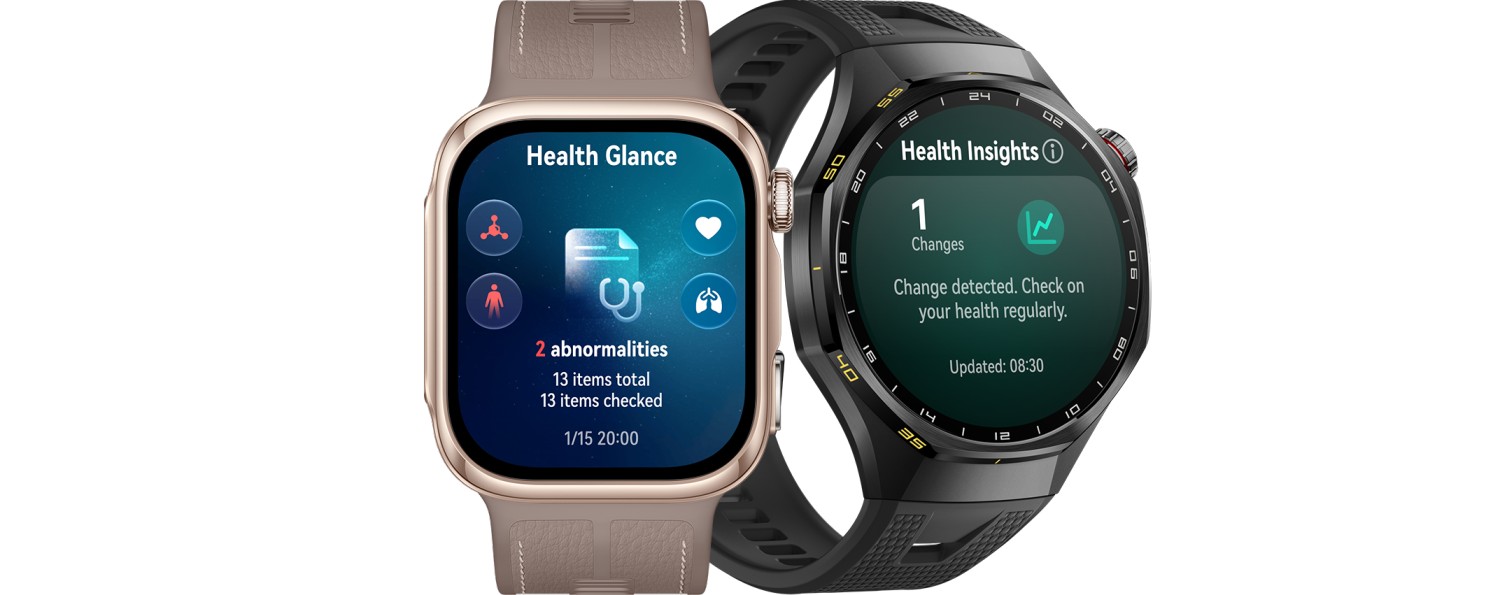
Both smartwatches feature a one-tap Health Glance assessment that provides users with an overview of several health indicators within seconds.
These include heart rate, heart rate variability (HRV), blood oxygen levels, arterial elasticity, and electrocardiogram (ECG) data.
The devices combine these measurements into a health report, allowing users to review their cardiovascular indicators and become more aware of changes that may require further medical attention.
For people monitoring their blood pressure or paying closer attention to their heart health, such features could make regular tracking more convenient without requiring separate measurements for every indicator.
However, smartwatch readings are not a substitute for professional medical evaluation, and concerning results should be discussed with a healthcare professional.
Through continued collaboration with medical institutions and researchers, Huawei aims to expand the role of wearable technology in cardiovascular health monitoring, with a focus on making health information more accessible in everyday life.