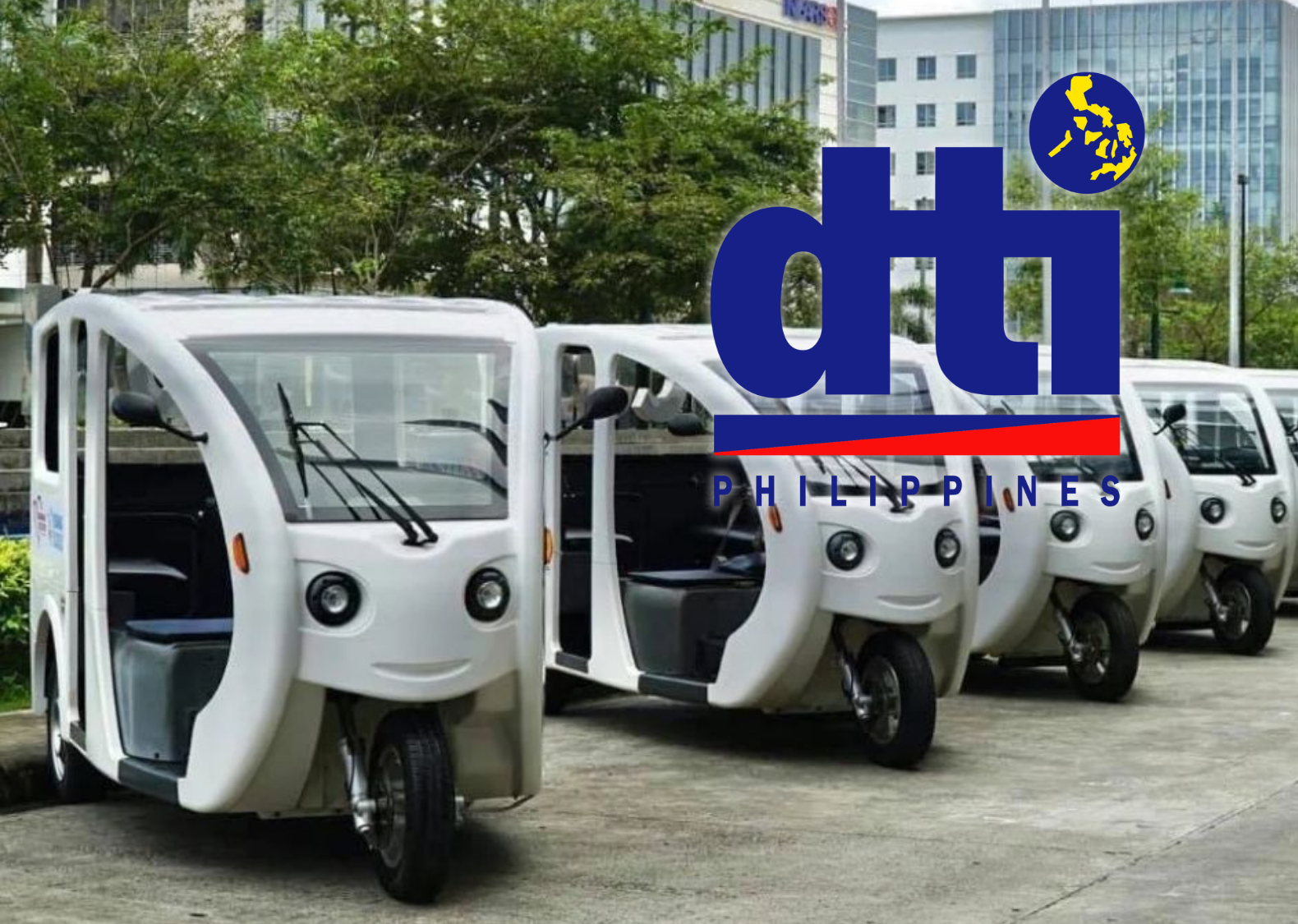
Filipinos planning to buy electric bicycles, scooters, and other light electric vehicles (LEVs) may soon need to check for government safety certification before making a purchase, as the Department of Trade and Industry (DTI) moves to tighten regulations on electric mobility products.
Under a proposed Department Administrative Order (DAO), electric bicycles, personal e-mobility devices, electrically propelled mopeds and motorcycles, and LEV batteries would be required to undergo mandatory safety certification before they can be sold in the Philippines.
What does this mean for buyers?
If approved, the proposed rules would require covered electric vehicles and batteries to carry Philippine Standard (PS) or Import Commodity Clearance (ICC) marks.
These physical certification marks would allow consumers to check whether a product has met the required safety standards before purchasing it.
The requirements cover electrical systems, battery performance, and thermal safety.
The proposal also seeks to prevent unsafe products from entering the Philippine market while strengthening regulatory monitoring and consumer confidence in electric mobility.
Could e-bikes become more expensive?
The proposed safety requirements could increase compliance costs for manufacturers, importers, and distributors.
Under the draft order, manufacturers would need to obtain PS licenses valid for three years, subject to annual audits.
Meanwhile, importers without PS licenses would be required to secure ICC certification for every shipment entering the Philippines.
Businesses would also face additional expenses for product testing, documentation, and inspections.
These requirements could particularly affect smaller importers and distributors, which may have limited resources to cover additional compliance costs.
However, any increase in retail prices would depend on whether businesses absorb the expenses or pass them on to consumers.
What happens to businesses that fail to comply?
Manufacturers and importers that fail to meet the proposed certification requirements could face penalties, suspension of operations, and mandatory product recalls.
Businesses may also need to review their suppliers and product lines to ensure compliance with the applicable Philippine National Standards.
The proposed regulations could create additional financial and operational risks for companies selling products that do not meet the required safety standards.
When will the new rules take effect?
The proposed regulations are not yet mandatory.
Under the draft order, businesses would be given a 12-month voluntary compliance period before mandatory certification begins.
Full market enforcement is scheduled 24 months after the order takes effect.
The DTI conducted public consultations on October 14, 2026, and is accepting comments from stakeholders until December 13, 2026.
The final regulations will determine the certification requirements that manufacturers and importers must meet before selling covered electric mobility products in the Philippine market.