DATE
Loading...
TIME
Loading...
About Us

Online scammers possess the same skill set as digital marketers, from targeting and persuasion to engagement, conversion, innovation and the use of artificial intelligence (AI), Scam Watch Pilipinas Co-founder and Lead Convenor Jocel de Guzman said at DigiCon 2026.
Speaking before an audience composed largely of digital marketing professionals at the Manila Marriott Hotel on October 15, De Guzman challenged the industry to recognize its responsibility in promoting ethical marketing practices and the responsible use of AI.
“Scammers are probably the best digital marketers out there,” De Guzman said, noting that fraudsters use the same tools and disciplines as legitimate marketers, including targeting, persuasion, engagement and conversion.
De Guzman said scammers have built a global criminal industry that costs victims around US$1 trillion annually, underscoring the scale of the threat and the urgent need for ethical standards in marketing and AI use.

He highlighted the rise of AI makes responsible marketing even more important as the technology gives both businesses and bad actors more powerful tools to influence behavior.
Responsible AI in focus
De Guzman joined the panel discussion titled “Privacy and Data Ethics: How to Build a Culture of Responsible AI Inside Your Organization,” part of DigiCon 2026 organized by the Digital Marketing Association of the Philippines (DMAP).
The panel was moderated by Donald Lim and also featured Atty. Mark Gorriceta of Gorriceta Africa Cauton & Saavedra and Rappler Data and Innovation Director Don Kevin Hapal.
Lim urged marketing professionals to take the lead in driving AI adoption instead of waiting for IT departments or other teams to act, stressing the importance of building the right foundations for responsible AI while balancing innovation, data privacy and business growth.
Gorriceta, for his part, shared how his law firm sets boundaries on AI use. He said the firm allows AI tools for specific tasks such as meeting documentation and grammar checking, but does not yet permit AI-assisted contract drafting.
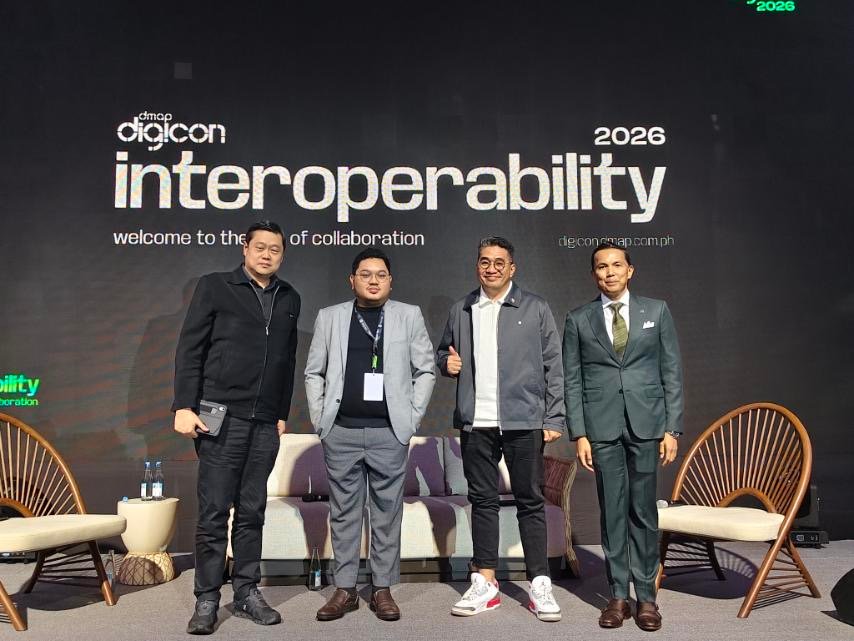
Hapal, meanwhile, stressed that accountability for misleading AI-generated content should extend to technology platforms, content creators and publishers, including news organizations. He said media organizations cannot blame AI when inaccurate information reaches the public and emphasized that publishers remain responsible for verifying content before publication, while AI platforms must strengthen safeguards against misuse.
Ethics must keep pace with innovation
The panel underscored that as AI continues to reshape industries, organizations must ensure innovation is matched by accountability and ethical standards.
For De Guzman, that means digital marketers must recognize the power of their skill set and make sure it is used to build trust rather than deceive consumers.
The discussion highlighted the growing responsibility of marketers, business leaders and platforms to promote a culture of responsible AI as the technology becomes more deeply embedded in business and communication.