PLDT, Smart train Tagbanua communities in El Nido on disaster preparedness
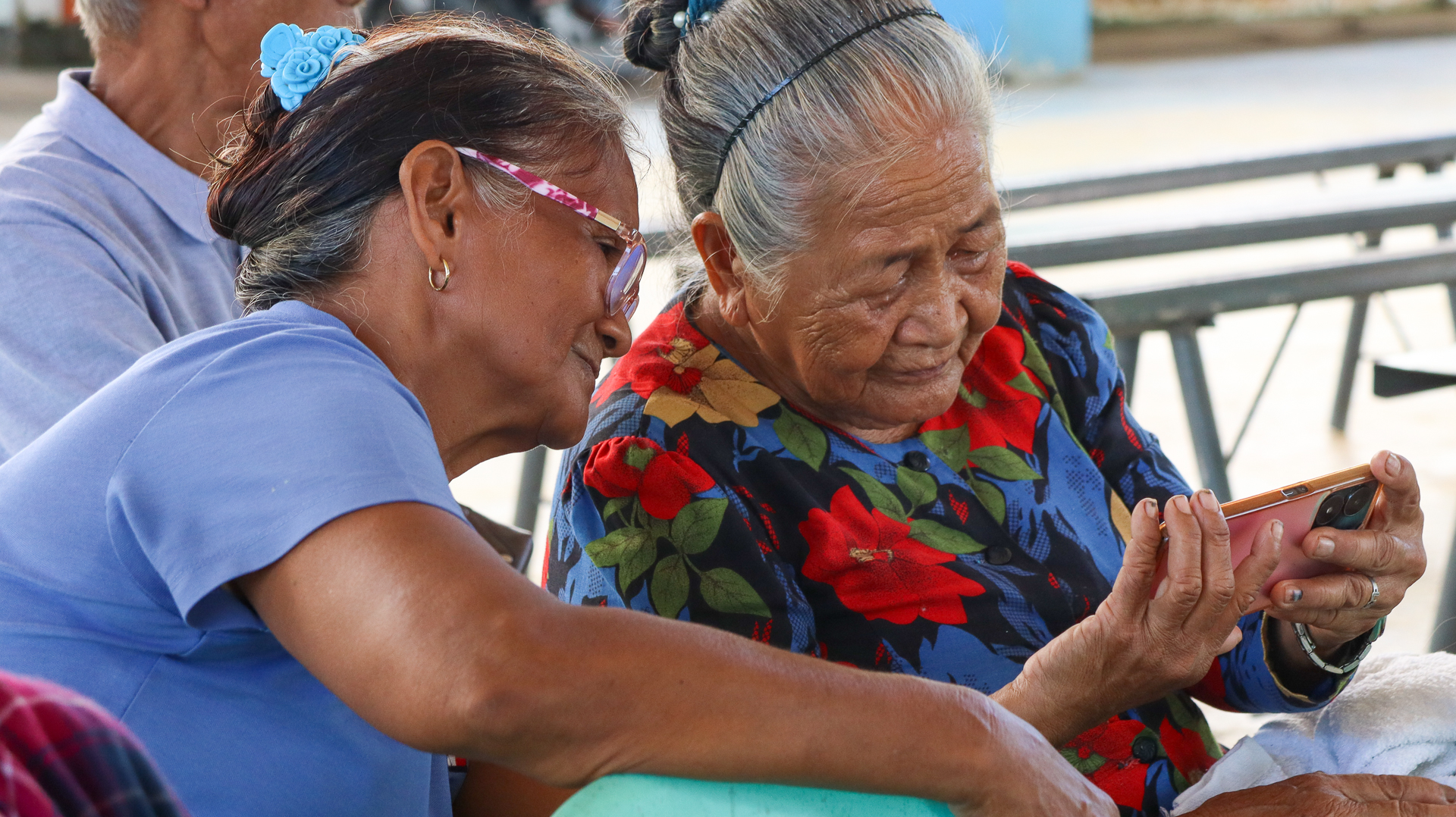
More than 30 members of the Tagbanua Tandulanen Indigenous Cultural Community (ICC) from 11 barangays in El Nido, Palawan, have undergone disaster preparedness training organized by PLDT Inc. and Smart Communications as part of efforts to strengthen community resilience alongside improvements in telecommunications infrastructure.
-
Tech Watch PH
Roderick D. Gacasa, a teacher at Sibaltan Elementary School and one of the participants, emphasized the importance of disaster preparedness, particularly for residents who travel outside Palawan. “While we can say that our town has not had plenty of experience with earthquakes, knowing what to do during such an event is important, especially because we’re not only staying in Palawan but also traveling beyond it,” Gacasa said.
He added that disaster preparedness is also integrated into their school's activities through regular training sessions and drills. “We regularly conduct similar trainings and drills with our students. We always tell them that we are not only confined to Palawan; we also travel outside of it. And when we’re out there, it’s important that we know what to do.” The session was facilitated by Jonathan Palma of the Emergency Management Center, who discussed practical measures that community members can take before, during, and after disasters.
Aside from the training, PLDT and Smart turned over office equipment to the indigenous community, represented by Tribal Affairs Assistant I Kamaulangan Nelson Biennes, for use in future activities at the tribal hall. “We are thankful to PLDT for this learning session, and for not forgetting our community,” Biennes said.
“Disaster preparedness is something that we should all be knowledgeable about, so this session is really important and timely.” Stephanie Orlino, assistant vice president and head of Stakeholder Engagement at PLDT and Smart, said strengthening telecommunications infrastructure must be accompanied by efforts to prepare communities for emergencies. “Resilient communities and resilient connectivity go hand in hand. As we strengthen our network through the Palawan Resiliency Submarine Cable Project, we also want to help ensure that the communities we serve, such as the Tagbanua Tandulanen ICC, are equipped with the knowledge and skills to prepare for emergencies,” Orlino said. “By combining reliable connectivity with disaster preparedness, we can help communities stay informed, connected, and resilient when it matters most.” Earlier this year, PLDT signed a memorandum of agreement with the Tagbanua ICC of Palawan and the National Commission on Indigenous Peoples (NCIP) concerning the Palawan Resiliency Submarine Cable Project. According to the company, the agreement includes commitments to recognize and protect indigenous peoples' rights and observe cultural, social, and environmental safeguards during the implementation and completion of the network project. The disaster preparedness training was conducted in observance of National Indigenous Peoples Month in October. The activity also falls under the PLDT Group's #KonektedforInclusion program, which seeks to expand access to connectivity, education, and livelihood opportunities among underserved communities, and its #KonektedforResilience initiative, which promotes disaster preparedness and emergency response. PLDT said the programs also support the United Nations Sustainable Development Goals, particularly SDG 10 on reducing inequalities and SDG 11 on sustainable cities and communities.
Key points
- More than 30 members of the Tagbanua Tandulanen Indigenous Cultural Community (ICC) from 11 barangays in El Nido, Palawan, have undergone disaster preparedness training organized by PLDT Inc. and Smart Communications as part of efforts to strengthen community resilience alongside improvements in telecommunications infrastructure.