DATE
Loading...
TIME
Loading...
About Us

Artificial intelligence is advancing rapidly, but for many Filipino business owners, the challenge is no longer recognizing its potential. It is knowing where to begin.
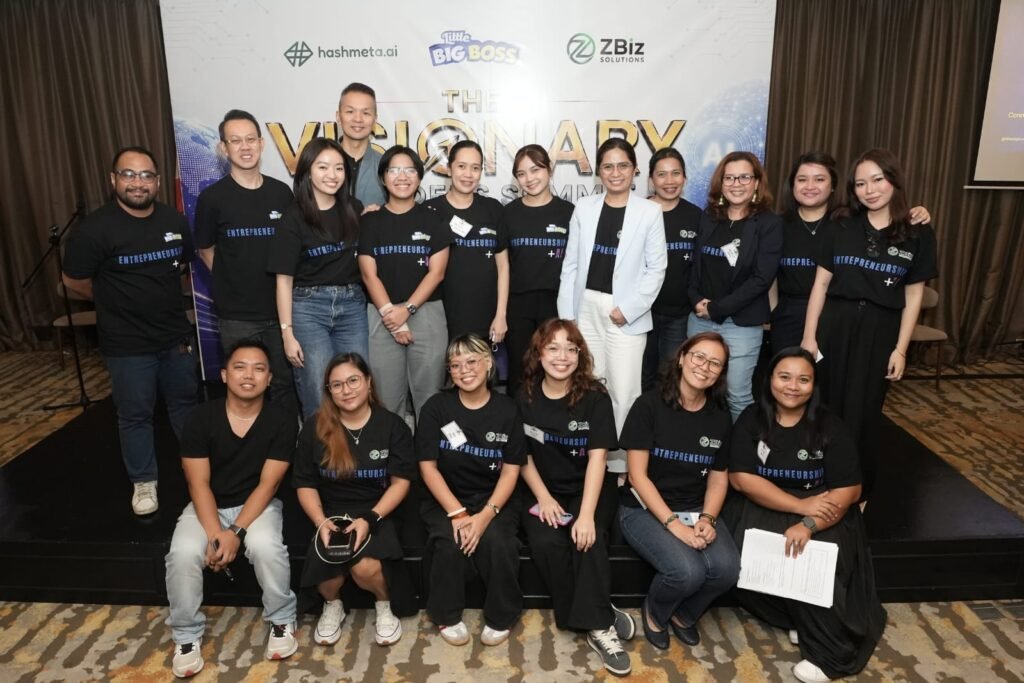
This was a key theme at the Visionary Founders Summit, held on July 31 at Ascott Makati. The event gathered entrepreneurs and business leaders from the Philippines and Singapore to discuss how companies can apply AI to their day-to-day operations.
Instead of presenting AI as another product businesses need to purchase, the summit focused on a more practical question: How can founders start using the technology today?
Speakers from different industries shared how they are incorporating AI into their organizations, demonstrating that its benefits are not limited to large corporations or technology-focused companies.
For many businesses, AI can deliver immediate value by streamlining repetitive work, improving operational efficiency, assisting with customer communications, and helping smaller teams accomplish more.
Automation can also help companies avoid missed opportunities. Customer inquiries, for example, may go unanswered when employees are occupied with routine processes that could otherwise be automated.
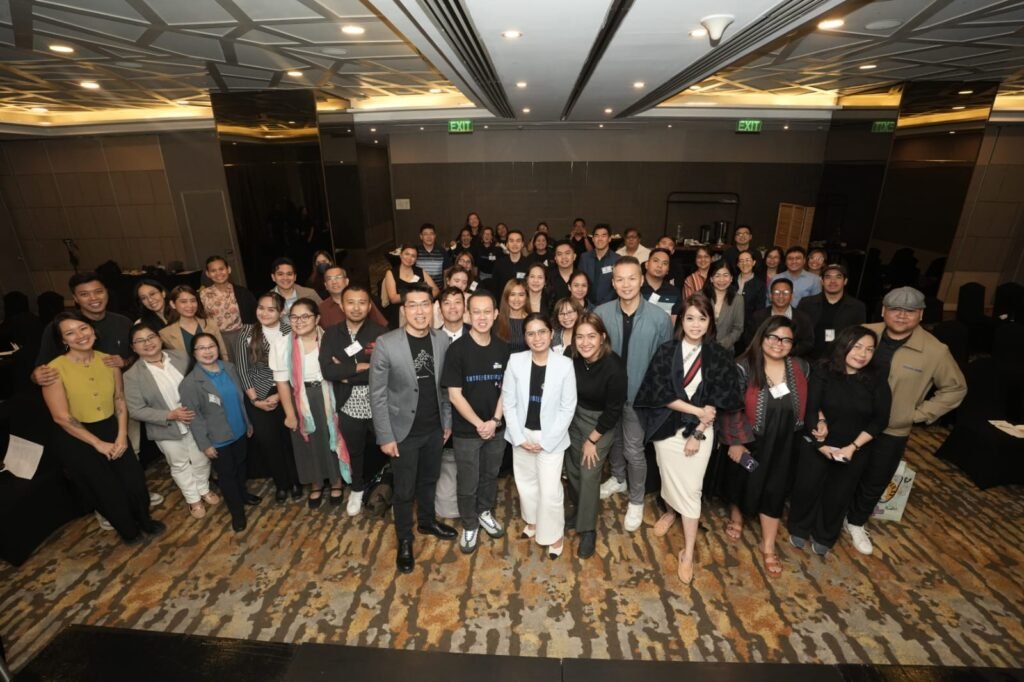
The strong turnout at the summit reflected growing interest among Filipino entrepreneurs. Organizers initially expected between 30 and 50 participants, but 85 people attended. Additional walk-in guests were reportedly turned away after the venue reached capacity.
The response suggests that curiosity about AI is no longer the primary obstacle for local businesses. The larger challenge is turning that interest into action.
Business owners now face an overwhelming number of AI tools, platforms, features, and potential use cases. Without a clear strategy, companies can spend more time researching the technology than implementing it.
The Visionary Founders Summit sought to narrow that gap by making AI adoption feel more practical and accessible. Its central message was that founders do not need to understand every aspect of AI before they can begin benefiting from it.
A practical first step could be identifying one repetitive process, one persistent customer-experience problem, or one task that regularly consumes valuable time. Businesses can then determine whether AI or automation could make that activity faster or more effective.
This approach may become increasingly important as AI reshapes business operations. Its value extends beyond reducing expenses: it can help small teams scale, build more efficient systems, and give founders additional time to focus on decisions requiring human judgment, creativity, and leadership.
For Filipino businesses, AI may therefore be better viewed not merely as a technology expense, but as an investment in productivity and long-term growth.
The question is no longer whether AI will affect how companies operate. It is whether business owners are prepared to take the first step.