DATE
Loading...
TIME
Loading...
About Us

Meta is expanding its governance layer around artificial intelligence with the creation of an AI Wellbeing Expert Council, a cross-disciplinary advisory group designed to shape how its AI-driven experiences are built and deployed for younger users.
The council consolidates members from Meta’s existing advisory networks—covering suicide and self-harm prevention, youth engagement, and body image—while bringing in additional experts in responsible and ethical AI. These contributors are affiliated with institutions such as the National Council for Suicide Prevention, University of Michigan, University of Texas, and University of Southern California, among others.
From a product and systems perspective, the move signals Meta’s attempt to formalize a feedback loop between domain experts and its AI development pipeline. The council is expected to function as an external review layer, with regular engagements involving Meta’s policy and product teams. These sessions will focus on evaluating emerging AI experiences—particularly those targeted at teens—and stress-testing them against real-world risks tied to mental health, self-perception, and online behavior.
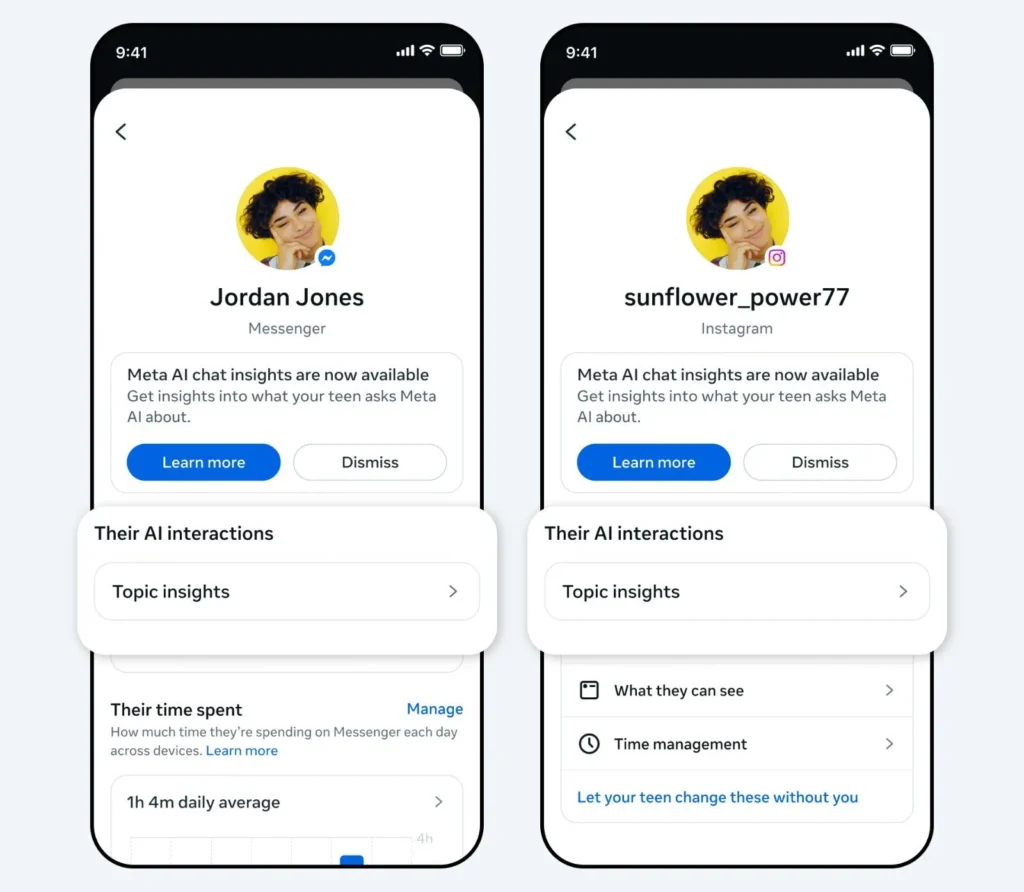
Meta said early collaboration with the council has already influenced feature development, including a new set of AI-driven parental insights. While details remain limited, these tools are positioned to give guardians more visibility into how teens interact with AI systems across Meta’s platforms, potentially integrating behavioral signals, usage patterns, or contextual nudges aimed at safer engagement.
For tech observers, the council reflects a broader shift toward “embedded ethics” in AI product cycles—where guardrails are not just post-deployment patches but part of the design phase. It also aligns with increasing regulatory and public pressure on large platforms to demonstrate accountability, especially in areas where algorithmic systems intersect with vulnerable user groups.
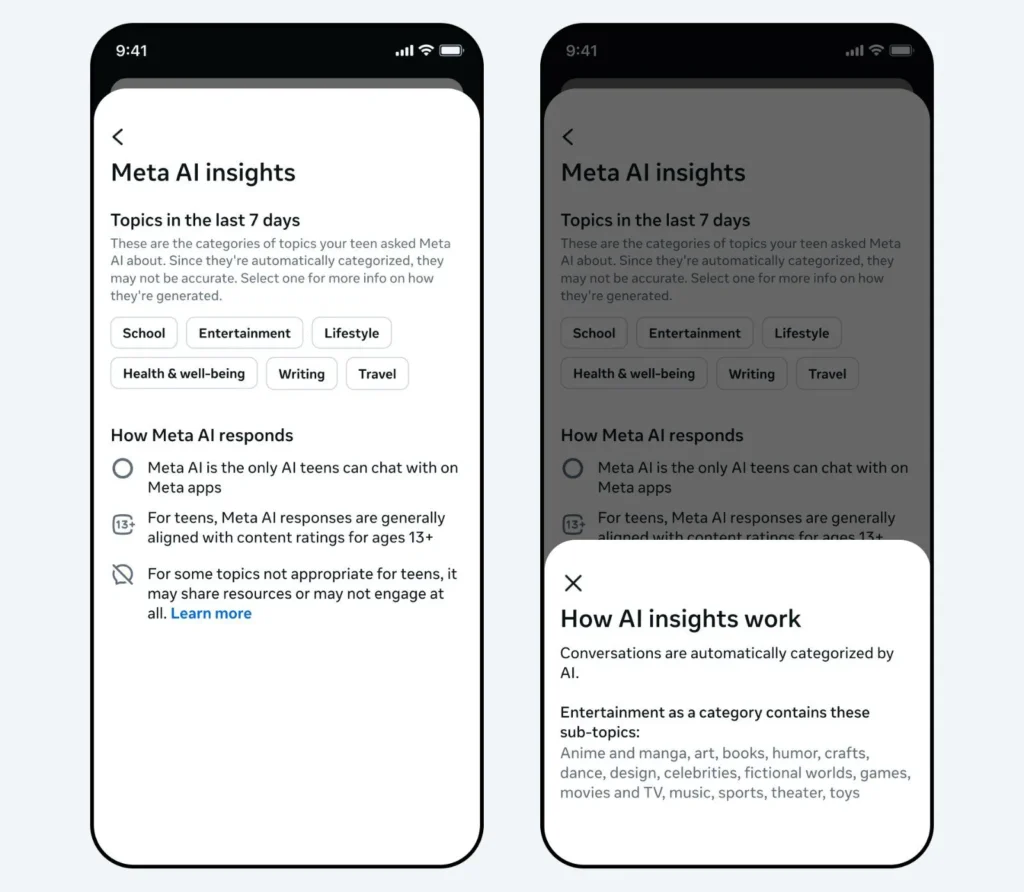
The effectiveness of the council will likely depend on how deeply its recommendations are integrated into Meta’s engineering workflows—whether as advisory inputs or enforceable checkpoints within model training, deployment, and user experience design.