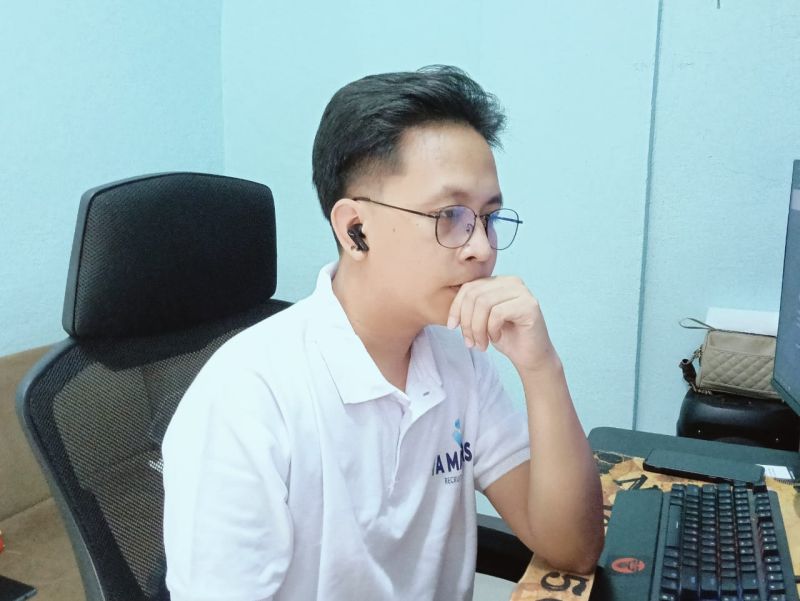
While most Filipinos are preparing to sleep, some virtual assistants (VAs) are just beginning their workday, attending online meetings, responding to emails, and completing tasks for employers thousands of kilometers away.
For those required to follow overseas business hours, working at night can mean adjusting sleeping schedules, family time, and daily routines.
A new hiring study by offshore staffing firm VA Masters found that 82% of remote VA job openings involve employers located at least 12 hours away from the Philippines, highlighting the growing role of Filipino workers in the global digital workforce.
The study, which examined hundreds of job openings between February and August 2026, found that the typical time difference between Western employers and Filipino workers was 12 hours.
However, this does not mean all these positions require graveyard shifts, as many job descriptions did not specify whether workers needed to follow their employers' working hours.
Why time differences matter for Filipino VAs
The United States remains the largest source of demand for remote virtual assistants, accounting for 69.2% of job openings examined in the study.
Nearly half of the openings, or 49.5%, came from employers operating on U.S. Eastern Time.
For Filipino VAs required to work during regular American business hours, this may involve working overnight while most people in the Philippines are asleep.
Such arrangements can affect when workers rest, spend time with their families, and manage household responsibilities.
Despite the considerable time difference, the study found that geographical distance does not significantly delay recruitment.
U.S. jobs involving a 12-hour time difference were filled in a median of 12 days, compared with 10 days for openings in countries closer to the Philippines.
VA Masters founder and CEO Alon Pearl said businesses should not automatically expect longer hiring periods because of time zone differences.
"Do not budget extra time for the time zone. On the evidence here, it buys you nothing, and the roles furthest away are not the slower ones," Pearl said.
Demand for Filipino VAs continues to grow
The Philippines remains a major source of remote workers, with VA Masters estimating that Filipino professionals account for approximately 38% of the global virtual assistant workforce.
The company also estimated that the worldwide VA market is worth around $6.5 billion and could grow to nearly $34 billion by 2030.
Meanwhile, a separate VA Masters report released in July showed continued demand for Filipino remote workers during the second quarter of 2026.
According to the company's State of the Filipino Virtual Assistant Industry report, client signups increased by 110% from the first to the second quarter of the year.
"Modern companies are actively looking for simple, affordable ways to grow," Pearl said.
Outsource Accelerator also highlighted how online collaboration tools and established hiring processes make it easier for international employers to work with Filipino professionals despite differences in location and time zones.
For Filipino VAs, the continued demand provides opportunities to work with international clients without leaving the country.
However, for those whose jobs require overnight schedules, these opportunities also come with changes to everyday life, as their workday begins when much of the country is already preparing to rest.